.png)
Enhancing Health Monitoring in High-Risk Environments
- rbyrod
- Feb 9
- 4 min read
In high-risk environments, health monitoring is not just a precaution; it is a necessity. Whether in construction sites, chemical plants, or remote medical facilities, the ability to monitor health effectively can mean the difference between life and death. With the rise of technology and innovative solutions, enhancing health monitoring has become more achievable than ever. This blog post explores various strategies, technologies, and best practices for improving health monitoring in these challenging settings.
Understanding High-Risk Environments
High-risk environments are characterized by potential hazards that can lead to serious health issues or accidents. These include:
Construction Sites: Workers face risks from heavy machinery, falls, and exposure to hazardous materials.
Chemical Plants: Employees may be exposed to toxic substances, requiring constant health monitoring.
Remote Medical Facilities: Healthcare providers in isolated areas must monitor their health due to limited access to medical resources.
Understanding the specific risks associated with each environment is crucial for developing effective health monitoring strategies.
The Importance of Health Monitoring
Health monitoring in high-risk environments serves several critical purposes:
Early Detection of Health Issues: Regular monitoring can identify potential health problems before they escalate.
Injury Prevention: By tracking health metrics, organizations can implement preventive measures to reduce the risk of injuries.
Compliance with Regulations: Many industries are subject to health and safety regulations that require regular monitoring of employee health.
Key Benefits of Effective Health Monitoring
Improved Worker Safety: Enhanced monitoring leads to a safer work environment.
Reduced Healthcare Costs: Early detection can lower medical expenses and reduce absenteeism.
Increased Productivity: Healthy workers are more productive and engaged.
Technologies for Health Monitoring
Advancements in technology have revolutionized health monitoring in high-risk environments. Here are some key technologies that are making a difference:
Wearable Devices
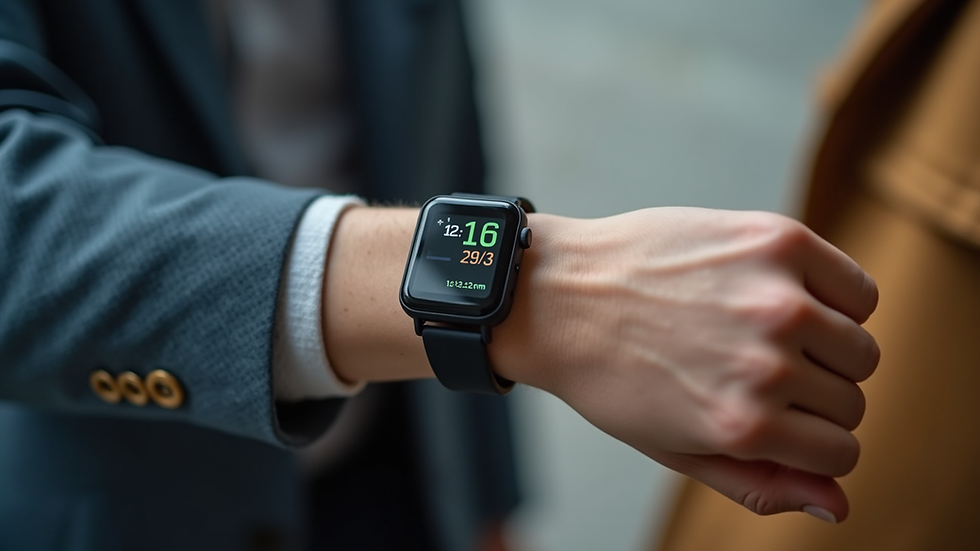
Wearable health devices, such as smartwatches and fitness trackers, can monitor vital signs like heart rate, temperature, and oxygen levels in real-time. These devices can alert workers and supervisors to potential health issues, allowing for immediate intervention.
Remote Health Monitoring Systems
Remote health monitoring systems enable healthcare professionals to track the health of workers in real-time, even from a distance. This is particularly useful in remote locations where access to medical facilities is limited. These systems can collect data on various health metrics and send alerts if any abnormalities are detected.
Mobile Health Applications
Mobile health applications provide workers with tools to monitor their health and access medical information. These apps can remind users to take breaks, hydrate, and perform health checks, promoting overall well-being.
Drones and Robotics
In some high-risk environments, drones and robotics are being used to monitor health and safety conditions. For example, drones can assess hazardous areas without putting human workers at risk, while robots can assist in transporting medical supplies in remote locations.
Best Practices for Implementing Health Monitoring
To effectively enhance health monitoring in high-risk environments, organizations should consider the following best practices:
Conduct Regular Health Assessments
Regular health assessments are essential for identifying potential health risks. Organizations should implement routine check-ups and screenings to monitor the health of their employees.
Provide Training and Education
Training workers on the importance of health monitoring and how to use health monitoring technologies is crucial. Employees should understand how to interpret their health data and recognize when to seek medical attention.
Foster a Culture of Safety
Creating a culture that prioritizes health and safety can significantly improve monitoring efforts. Encourage open communication about health concerns and promote wellness initiatives within the organization.
Collaborate with Healthcare Professionals
Partnering with healthcare professionals can enhance health monitoring efforts. These experts can provide valuable insights into best practices and help develop effective monitoring programs tailored to specific environments.
Challenges in Health Monitoring
While enhancing health monitoring is essential, several challenges can arise:
Data Privacy Concerns
Collecting health data raises privacy concerns. Organizations must ensure that they comply with regulations regarding data protection and maintain the confidentiality of employee health information.
Technology Adoption
Not all workers may be comfortable using new technologies. Providing adequate training and support is essential to encourage adoption and ensure that employees feel confident using health monitoring tools.
Resource Limitations
In some high-risk environments, resources may be limited. Organizations must find ways to implement effective health monitoring solutions within their budget constraints.
Case Studies: Successful Health Monitoring Implementation
Case Study 1: Construction Site Monitoring
A construction company implemented wearable health devices for its workers. These devices monitored heart rates and fatigue levels, alerting supervisors when a worker was at risk of heat exhaustion. As a result, the company saw a significant reduction in heat-related incidents and improved overall worker safety.
Case Study 2: Remote Medical Facility
A remote medical facility adopted a remote health monitoring system to track the health of its staff. This system allowed healthcare professionals to monitor vital signs and receive alerts for any abnormalities. The facility reported improved health outcomes for its staff and reduced the need for emergency medical interventions.
Future Trends in Health Monitoring
As technology continues to evolve, several trends are emerging in health monitoring for high-risk environments:
Artificial Intelligence
AI can analyze health data to identify patterns and predict potential health issues. This technology can enhance decision-making and improve response times in emergencies.
Integration of Health Data
Integrating health data from various sources can provide a comprehensive view of worker health. This integration can lead to more effective monitoring and intervention strategies.
Personalized Health Monitoring
Personalized health monitoring solutions can tailor health recommendations based on individual worker data. This approach can enhance engagement and improve health outcomes.
Conclusion
Enhancing health monitoring in high-risk environments is crucial for ensuring worker safety and well-being. By leveraging technology, implementing best practices, and addressing challenges, organizations can create a safer work environment. As we move forward, embracing innovative solutions and fostering a culture of health will be essential in protecting workers in these demanding settings.
Take the next step by evaluating your current health monitoring practices and exploring new technologies that can enhance safety and well-being in your organization.


Comments